My 11-year-old daughter, Hannah, came home that afternoon expecting nothing more than the familiar click of the lock turning under her key.
She had done it hundreds of times: twist, push, step inside, drop her backpack in the hallway, and call out a quick hello. But that day, the routine broke.
Her key didn’t turn. She tried again — a twist of the wrist, a firmer push — and still the lock refused to budge.
Rain tapped steadily against her jacket, and the cold spread through her sleeves. Confused, she stepped back and looked at the door as if it might somehow explain itself. It didn’t.
It simply stood there, solid and unmovable, as though it had already decided she no longer belonged behind it.
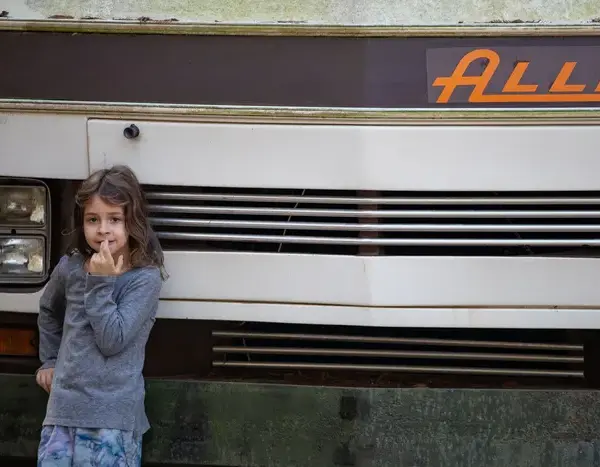
Hannah spent five hours outside that door.
Five hours in the rain.
Five hours sitting on the concrete step with her knees pulled to her chest.
Five hours waiting for someone inside to notice her — or care.
When I finally saw the six missed calls from her on my phone, my stomach dropped so fast it felt like the world tilted. I had been at work, sorting through paperwork, thinking it was just an ordinary day. By the time I called her back, I could hear the tremble in her voice immediately.
“Mom… I can’t get in. The key won’t work.”
I swallowed the rising panic and forced myself to sound calm. “Sweetheart, are you somewhere safe?”
“I’m on the front step.”
“Stay there. I’m coming right now.”
The drive home felt endless. Rain hammered the windshield, the wipers swiping frantically to keep up. My fingers tightened around the steering wheel every time I thought about her sitting in the cold, scared and alone.
When I finally turned onto our street, my entire body tensed. The familiar house came into view, but nothing about the moment felt familiar anymore.
Hannah was still there — soaked, shivering, clutching her backpack like a lifeline. Her hair stuck to her cheeks, and her small hands were red from the cold. But she didn’t cry. When she saw my car, she simply stood up and tried to be brave.
I rushed toward her, wrapping her in my arms. Her body was cold — too cold — and her breathing hitched with relief. I draped a blanket around her shoulders and helped her into the car. She sat silently, as though speaking might make everything worse.
That was when the front door opened.
My mother stepped outside, her expression firm and strangely detached. There was no surprise in her eyes, no guilt, no hesitance. She looked at us the way someone looks at distant relatives instead of the family she had lived with for years.
“We have all decided,” she said, voice flat, “that you and your daughter no longer live here.”
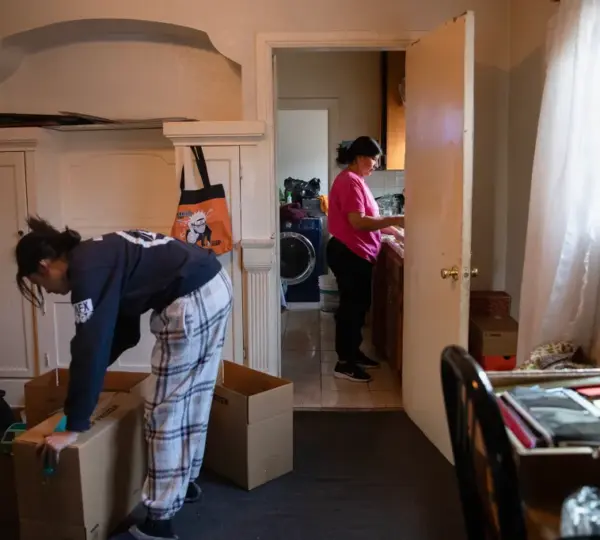
Her words were sharp, practiced, and rehearsed — as though she had gone over them in her mind and chosen each one carefully.
I didn’t shout. I didn’t argue. I didn’t ask who “we” included. I had sensed this shift long before it arrived. The distance. The tension. The way conversations became shorter while silences grew heavier.
All I said was, “Understood.”
And then I turned away.
I guided Hannah into the car, her small fingers gripping mine tightly. She didn’t look back at the house. Neither did I.
As I drove off, she leaned against me, her voice barely audible. “We’ll be okay, right?”
I nodded. “Yes, sweetheart. We will.”
That was the only answer she deserved.
The Motel That Became a Refuge
We checked into a small roadside motel — the kind with humming air conditioners, stiff blankets, and the faint smell of cleaning solution permanently embedded in the walls.
But despite its shortcomings, it offered what we needed at that moment: warmth, privacy, and a temporary sense of stability.
Hannah kicked off her soaked shoes and sat cross-legged on the bed. I handed her dry clothes and a towel, then microwaved two simple dinners from the vending machine area downstairs.
We ate at the little table by the window, trying to make the room feel like something other than a last resort.
“This place is kind of cozy,” Hannah said, attempting a smile.
Her resilience both amazed and broke me.
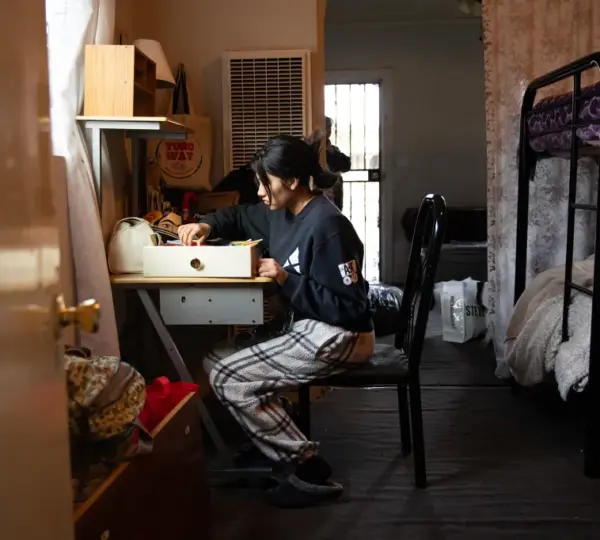
That night, after she fell asleep curled beside me, I lay awake staring at the ceiling. My mind replayed the scene over and over: the locked door, the rain, the cold certainty in my mother’s voice.
Sometimes families don’t fracture in sudden explosions. Sometimes the breaking happens quietly, with years of small cuts that eventually leave wounds too deep to pretend away.
We had faced misunderstandings, arguments, unspoken resentments — but even with all of it, I never imagined they would make a decision like this without a single conversation.
What they did wasn’t only cruel.
It was final.
But instead of letting fury rise inside me, I focused on the one thing I still had — the most important thing: my daughter.
Her safety.
Her stability.
Her sense of home.
Everything else could crumble, but not that.
The Letter That Changed Everything
Three days passed. Three days of finding temporary routines. Three days of reassuring Hannah that none of this had been her fault. Three days of trying to hold myself together long enough to make decisions.
And then my phone lit up with a call from my mother.
I stared at her name on the screen, uncertain whether to answer. The memory of her shutting us out was still fresh, but curiosity outweighed hesitation. When I picked up, her voice sounded strained — almost frightened.
“We… we got a letter,” she said. “A letter addressed to you.”
I didn’t respond immediately, so she continued, her voice cracking slightly.
“It’s from the housing office. It says the property — the house — was legally transferred to you. Months ago.”
I closed my eyes.
My father.
Before he passed, he had tried to protect us in the only way he could. Quietly. Thoughtfully. Without drama.
He had arranged the paperwork so that the place we lived — the home he had hoped would shelter his family for years — would belong to me and Hannah.

He had worried about tension. He had known relationships could grow complicated. And he had worked behind the scenes to make sure we would never be homeless because of it.
My mother hadn’t known any of this. She had assumed the house was hers to command — hers to control. She had changed the locks without realizing she had locked herself out of rights she no longer held.
The letter was simply a formal reminder.
When she finished explaining, there was a long silence on the phone. Then, finally:
“Are you… are you coming back?”
I looked across the motel room at Hannah, who was drawing quietly in a notebook, her shoulders no longer tense from fear. She glanced up at me and smiled — a soft, hopeful smile that reminded me of everything we had endured.
In that moment, the answer formed effortlessly.
“No,” I said gently. “We’re not coming back. Not now. Not ever.”
There was no anger in my voice — just clarity.
“The house will stay in our name,” I continued, “but it won’t be our home anymore. We’re choosing peace.”
My mother didn’t argue. She didn’t apologize, either. She simply breathed into the phone, sounding smaller than I had ever heard her.
And then the call ended.
Stepping Into a New Beginning
In the days that followed, Hannah and I visited apartments across town. We walked through narrow hallways and wide lobbies, climbed stairs, checked kitchen cupboards, opened balcony doors, and imagined where furniture might someday go.
We chose a modest place on the second floor of a quiet building — nothing extravagant, but full of light. The windows overlooked a courtyard where children played in the afternoons.
There was a small community garden next to the parking lot and a laundromat downstairs that smelled like warm cotton.
Hannah picked her new room, insisting she liked the one with sunlight that hit the wall in the shape of a rectangle each morning.

We painted the walls a soft sky-blue and hung fairy lights around the window frame. She arranged her books carefully on the shelves — the beginning of creating a space she felt proud of.
I found myself breathing easier, too. The absence of tension in the air felt unfamiliar at first, like stepping into a quiet library after years of constant noise. But gradually that peace became comfortable — something I hadn’t realized I’d been craving.
We bought a secondhand couch, a coffee table with a tiny scratch on the corner, and two soft blankets for movie nights. Every new item, no matter how small, felt like a step toward reclaiming control over our lives.
Our new home didn’t need to be perfect.
It just needed to be ours.
A place where no one turned us away.
A place where Hannah never had to wait outside in the rain again.
The Lesson We Carried Forward
Weeks turned into months, and slowly, the pain of what happened shifted into a quiet understanding: sometimes life pushes you out of places you never truly belonged. Not to punish you — but to redirect you.
My mother’s decision closed one door.
My father’s love opened another.
And through it all, Hannah learned something many adults never grasp:
Home is not a building.
Home is not a name on a deed.
Home is not something others can give or take away.
Home is the place where your peace is protected.
Where your presence is valued.
Where love doesn’t come with conditions or ultimatums.
We built that kind of home together, piece by piece — not against a backdrop of bitterness, but with a quiet determination to move forward. And though the past still lingers in memories, it no longer dictates our future.
Because in the end, what began as the worst day of Hannah’s young life became the beginning of a safer, brighter one.
A life where she is never left outside in the rain again.